Trapped in the Internet: Why the Online World Never Stops
Have you ever thought about how the internet is basically like a massive city that never sleeps? Every second, millions of people upload photos, create videos, send messages, play games, work, and shop online all at the same time. Even while you’re asleep, the internet is still alive. Somewhere on the other side of the world, someone is attending a meeting, streaming a movie, or endlessly scrolling through social media.
The internet is no longer just an extra piece of technology. Today, it has become a part of everyday life. From the moment we wake up until we go to sleep again, almost everything we do is connected to the internet.
From Internet Cafes to a World Without Limits
Back then, the internet was closely associated with internet cafes and the loud sound of keyboards everywhere. Now, everything has completely changed. The internet lives in the palm of our hands through smartphones. Need information? Just search for it. Want to learn a new skill? Open a tutorial video. Want to talk to friends from another country? Start a video call.
The growth of the internet has made the world feel much smaller. People in Indonesia can work for overseas companies without moving abroad. Small creators can gain millions of viewers from just one viral video. Even home businesses can now reach customers from different cities simply through social media.
Why Is the Internet So Addictive?
There’s a reason why many people find it difficult to disconnect from the internet. Digital platforms are designed to constantly capture our attention. Notifications, short videos, content recommendations, and endless scrolling are all built to keep users staying longer.
This phenomenon is often called the “attention economy,” where human attention becomes something extremely valuable. The longer someone spends online, the greater the opportunity for platforms to profit from ads and user activity.
That’s why it’s so common to open one short video and suddenly realize an entire hour has passed.
The Internet Is More Than Just Entertainment
Even though the internet is often used for entertainment, it actually has a major impact on many aspects of life.
1. Education
Learning has become much easier. Many platforms now provide online classes, both free and paid. People can study design, coding, foreign languages, or even business skills without needing to attend physical classes.
2. Business
The internet has opened doors to new business opportunities that once seemed impossible. Today, careers like content creator, affiliate marketer, social media specialist, and livestream host are becoming increasingly common.
Brands have also realized that having a strong digital presence is far more important than relying solely on physical stores.
3. Communication
Long-distance communication used to feel expensive and complicated. Now, sending messages across countries can happen in just seconds.
4. Creativity
The internet gives everyone a space to create. Music, writing, videos, illustrations, and podcasts can all be shared easily with the world.
The Dark Side of the Internet
Behind all its convenience, the internet also has a darker side.
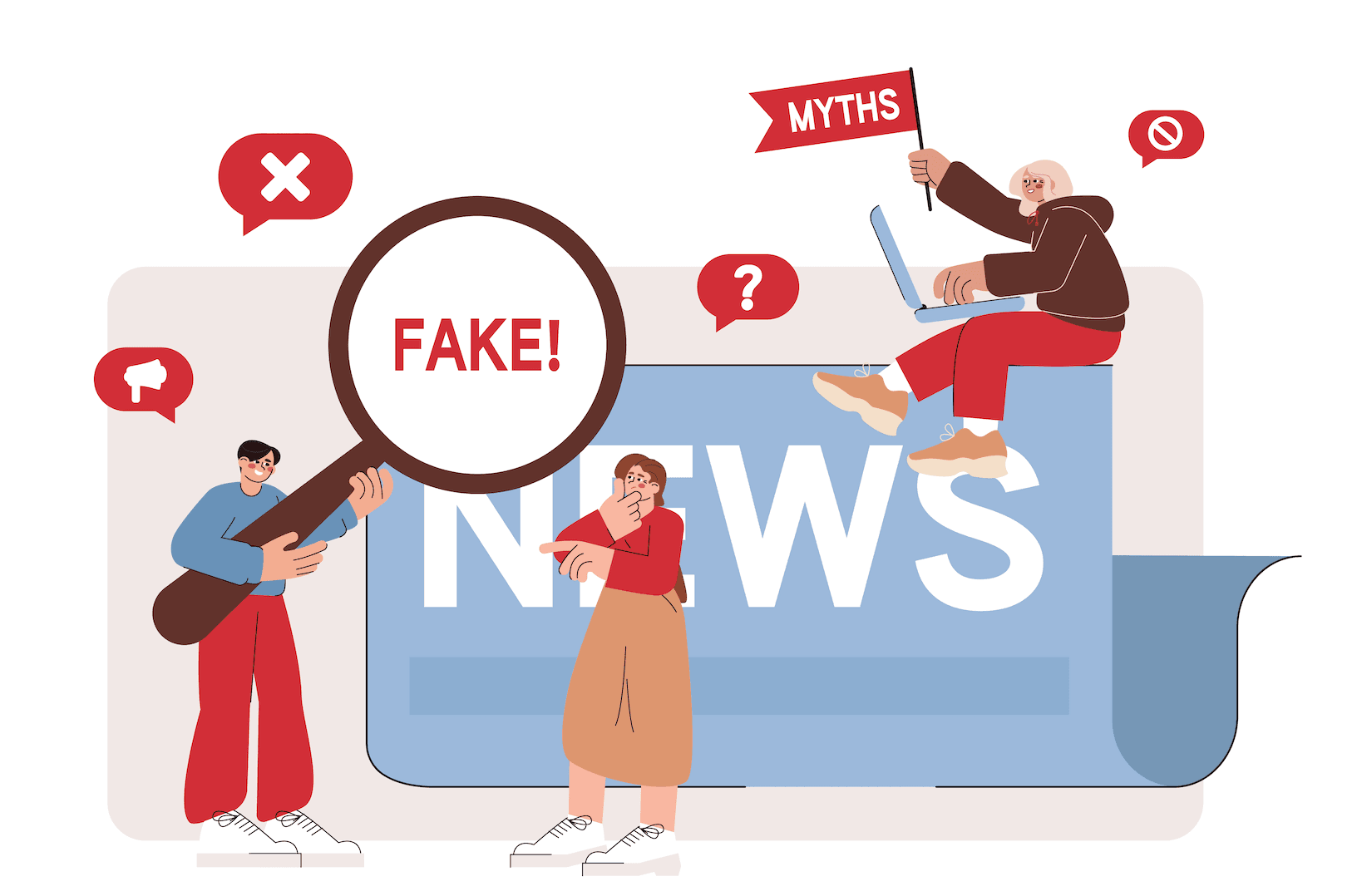
The spread of misinformation, cyberbullying, data theft, and digital addiction are becoming more common problems. Many people also experience mental exhaustion because they are constantly exposed to endless streams of information.
Not to mention the social pressure from social media that often makes people feel like they always need to appear perfect.
That’s why healthy internet usage has become increasingly important.
Digital Detox: Do We Really Need It?
Recently, the term “digital detox” has become more popular. It simply means reducing internet usage for a period of time in order to feel mentally refreshed.
Some people choose to turn off notifications, reduce screen time, or even take vacations without social media.
The goal is not to hate the internet, but to make sure we control technology instead of technology controlling us.
The Future of the Internet
The internet will continue to evolve. Technologies like Artificial Intelligence, Virtual Reality, and the Internet of Things are already changing the way humans live.
In the future, the internet may feel more personal, faster, and even more connected to daily life.
Imagine homes that automatically adjust temperature settings, self-driving cars, or virtual meetings that feel almost identical to face-to-face interactions.
Things that once sounded like science fiction movies are slowly becoming reality.