Back to Blog
Information
Loading...
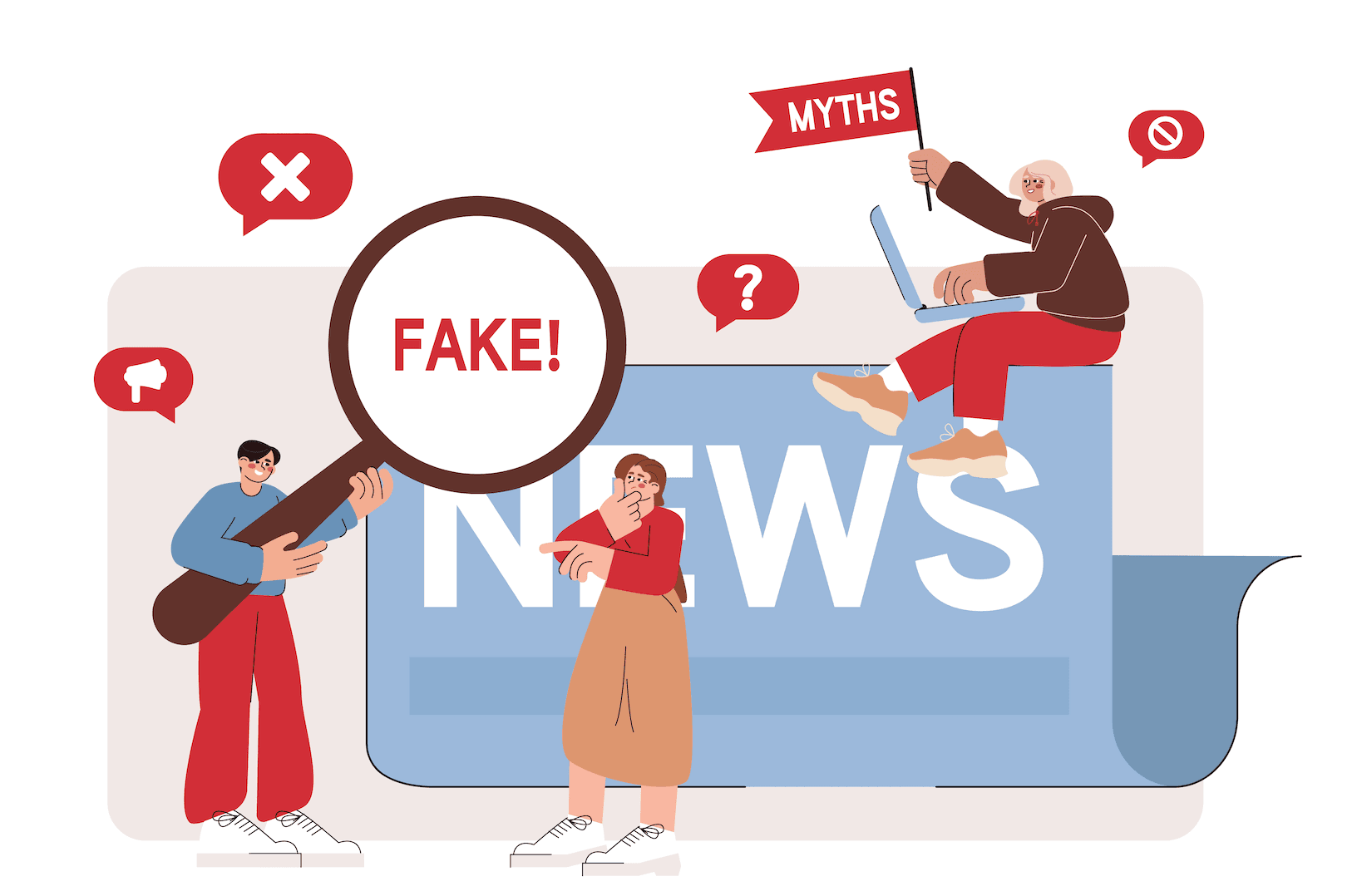
Many people still think a domain is just a website address. In reality, a domain plays a much bigger role—it helps build your digital identity, boosts credibility, and supports the growth of your business or personal brand.
Unfortunately, there are still plenty of myths that make people hesitate to get their own domain. Let's debunk five of the most common ones!
Many people, especially beginners, assume that buying a domain automatically means they have a place to store their website. In reality, a domain and hosting are two completely different services.
The fact: A domain is the address or name used to access a site (for example, yourbusiness.id), while hosting is the storage space for your files, database, and all website content. You can buy a domain from one provider and hosting from another, then connect the two. Without hosting, a domain will only point to an empty page.
The belief that a .com domain is automatically more credible or better for SEO than other extensions like .id, .co.id, or .net is still very common.
The fact: Search engines like Google don't give a ranking boost simply because of a particular domain extension. What matters far more is content relevance, backlink quality, and user experience. In fact, for businesses targeting the Indonesian market, a .id domain can actually come across as more local and trustworthy to domestic visitors.
Many people assume that buying a domain once means owning it permanently, with no further action required.
The fact: A domain is essentially an annual lease, not a permanent purchase. Every domain must be renewed before it expires. If renewal is forgotten, the domain can enter a grace period and eventually be released — putting it at risk of being purchased by someone else, including parties who specifically hunt for expired domains.
Some people assume a domain name is purely about branding and has nothing to do with SEO.
The fact: While not the main ranking factor, a domain name does still influence SEO, particularly through relevance and memorability. A short, clear domain name relevant to your business can improve click-through rates (CTR) from search results and strengthen branding. However, cramming keywords into a domain name (keyword stuffing) tends to look unprofessional and no longer provides the significant SEO advantage it once did.
Because buying a domain looks like a simple process, many people assume there's no meaningful difference between one domain provider and another.
The fact: Domain providers (registrars) can differ significantly — in renewal pricing, ease of DNS management, security features (such as WHOIS privacy), customer service quality, and domain transfer policies. Some registrars even offer a low initial price but raise renewal costs substantially the following year. That's why it's worth comparing providers before deciding where to buy a domain.
 Information
August 13, 2026
Have an e-book, template, worksheet, preset, online course, or another digital product? You no longer need to build a website from scratch just to start selling online. Today, there are many platforms that can help you showcase products, accept payments, deliver digital files, and manage sales. The options range from local platforms to global services, each with different strengths. So, which platform should you choose? Let’s take a look at some of the options.
 Information
August 10, 2026
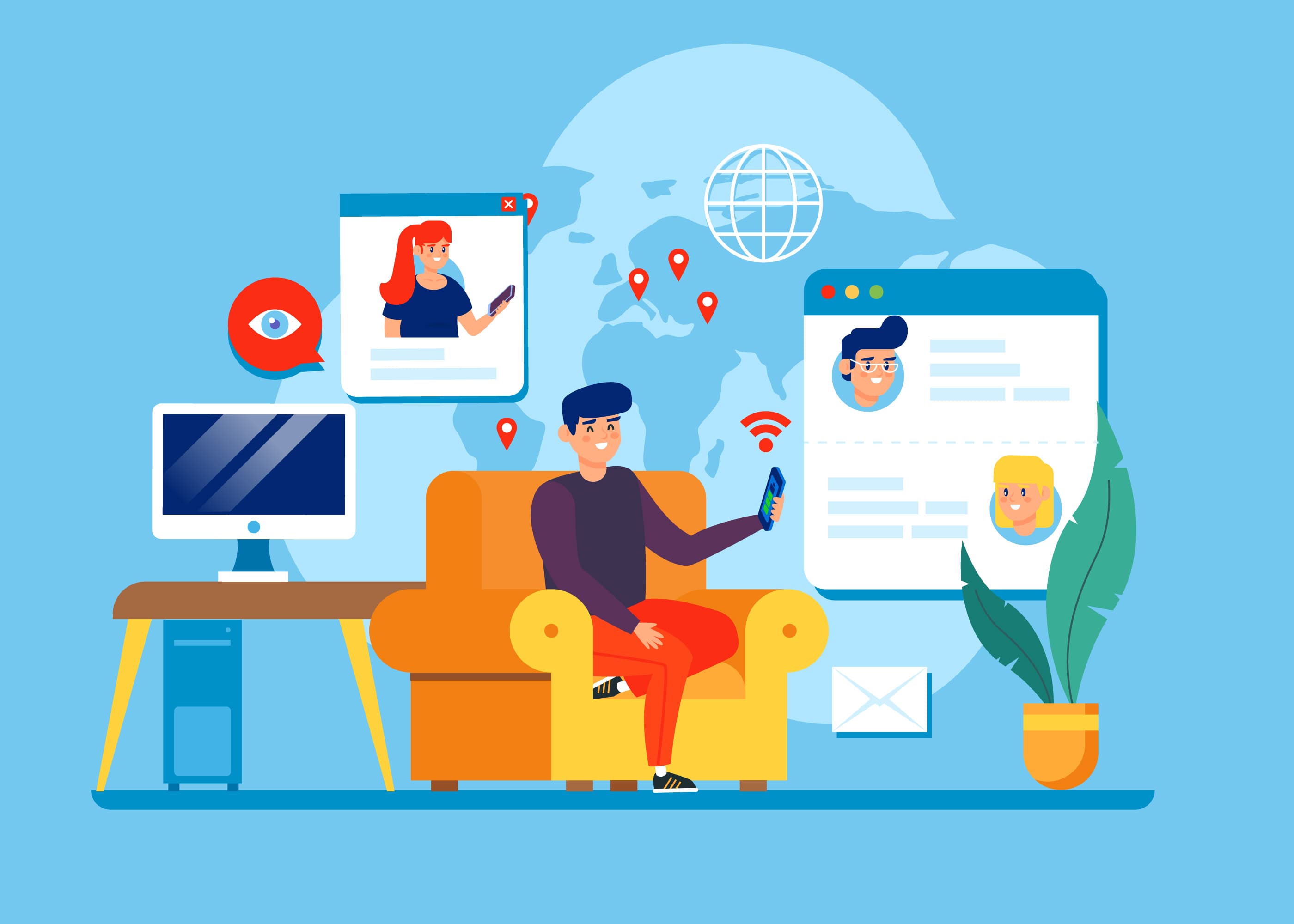
The internet is constantly evolving. The platforms, tools, and habits that shaped the digital world a few years ago may no longer work the same way today. In 2026, those changes are becoming even more noticeable. AI is becoming part of everyday internet use, social media is turning into a search engine, online content is becoming harder to verify, and users are becoming more conscious of trust, privacy, and digital fatigue. So, what is actually changing on the internet this year?
 Information
August 7, 2026
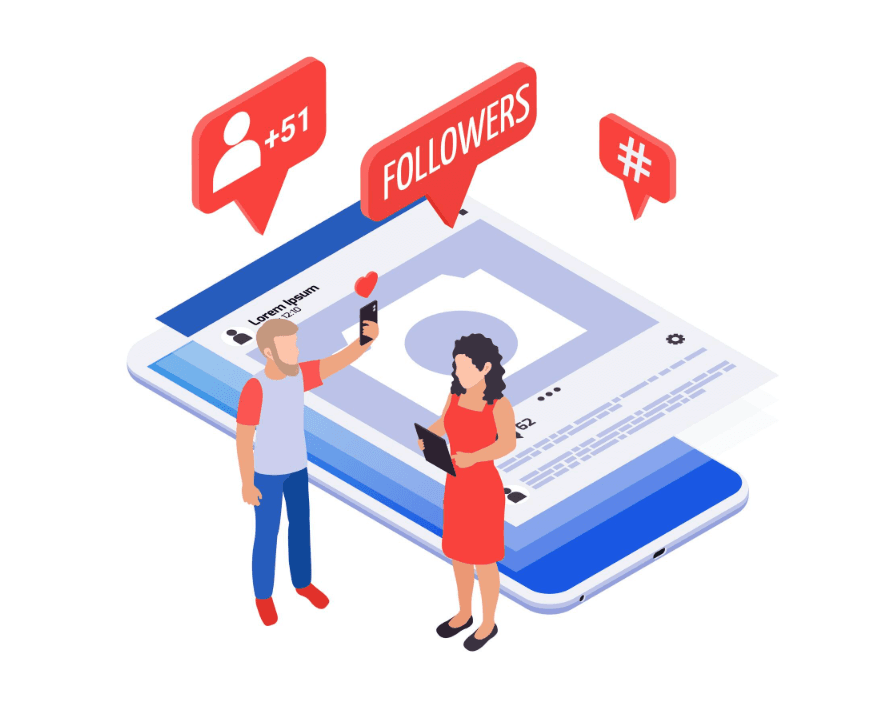
Followers are the beginning, not the end goal. Social media can help you reach thousands or even millions of people. But businesses don't grow from follower counts alone. They grow by turning attention into trust, and trust into transactions. So instead of constantly asking: “How can I get more followers?” Perhaps the better question is: “How can I make my followers want to buy, come back, and recommend my business?” Because at the end of the day, a smaller audience that truly trusts you can be far more valuable than a massive audience that never becomes a customer.