Why Are QR Codes Becoming So Popular? Here's Why They're Everywhere
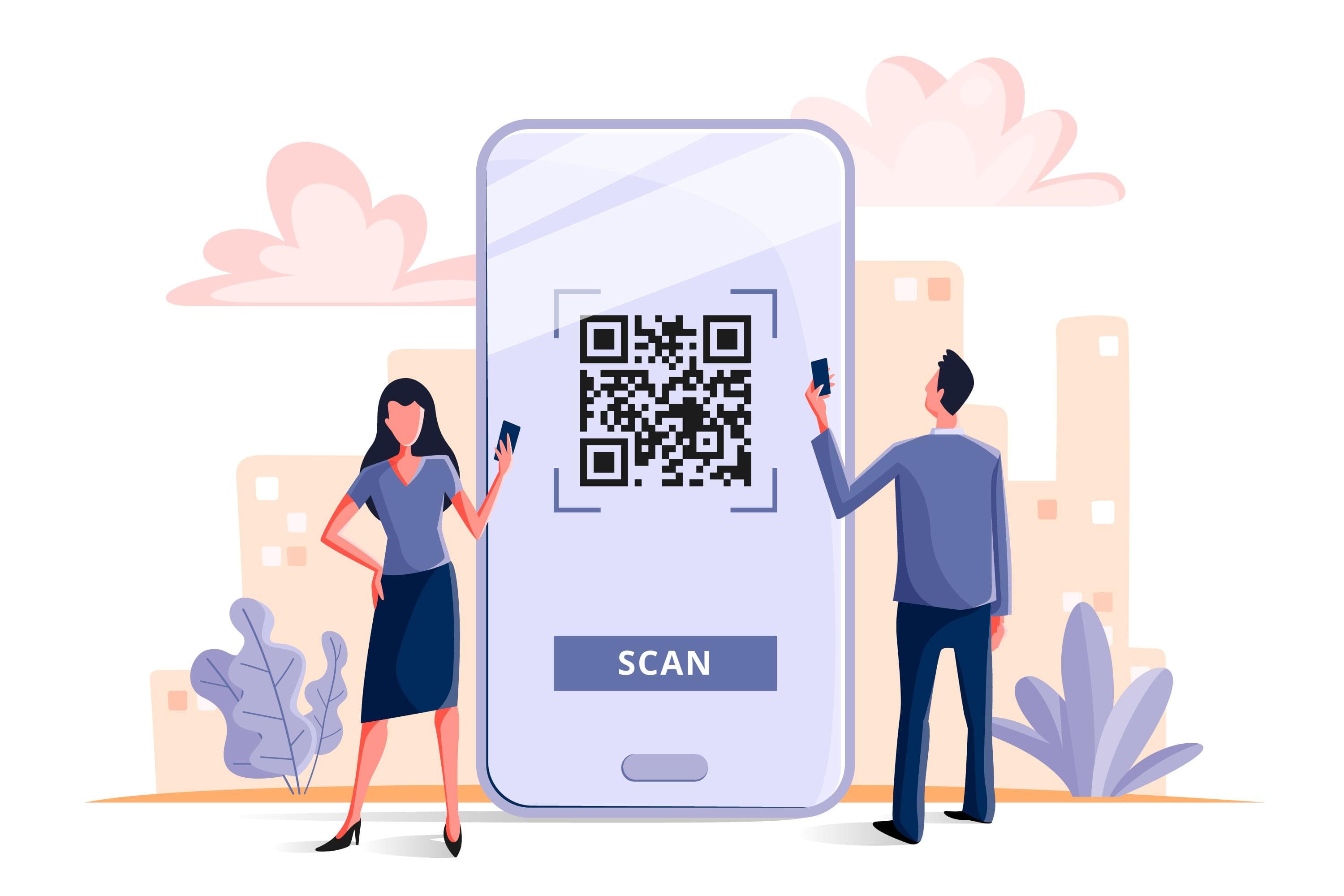
Have you ever scanned a QR Code to view a restaurant menu, make a digital payment, connect to Wi-Fi, or visit a website?
Just a few years ago, QR Codes were something only a small number of people used. Today, they're everywhere—from cafés, shopping malls, offices, and schools to concerts, airports, and public transportation.
So, why have QR Codes become so popular?
The answer is simple: they make accessing information faster, easier, and more convenient.
Let's explore why this simple technology has become an essential part of our everyday digital lives.
What Is a QR Code?
A QR Code (Quick Response Code) is a two-dimensional barcode that can store various types of information, including:
Website URLs
Contact information
Map locations
Product details
Wi-Fi passwords
Payment information
Text and documents
Unlike traditional barcodes that store data in one direction, QR Codes can hold much more information while remaining compact and easy to scan.
All you need is your smartphone's camera or a QR Code scanner to instantly access the stored information.
Why Are QR Codes Becoming More Popular?
There are several reasons why QR Codes are now used across almost every industry.
1. Fast and Convenient
Imagine you want to visit a website.
Without a QR Code, you would need to:
Open your web browser.
Type the website address.
Double-check for typing mistakes.
Press Enter.
With a QR Code?
Simply open your phone's camera, point it at the code, and tap the link that appears.
The entire process takes only a few seconds.
2. No Need to Type Long URLs
Some website addresses are long and difficult to remember.
Typing them manually increases the chances of making mistakes.
QR Codes eliminate this problem by allowing users to access a webpage instantly with a single scan, creating a smoother and more user-friendly experience.
3. They Power Digital Payments
One of the biggest reasons behind the rise of QR Codes is the rapid growth of cashless payments.
Today, many stores, cafés, and restaurants accept payments through QR Codes.
Customers simply:
Open their payment app.
Scan the QR Code.
Enter the payment amount (if required).
Confirm the transaction.
It's quick, secure, and doesn't require cash or physical cards.
4. Perfect for Printed Materials
QR Codes effectively connect the physical and digital worlds.
They're commonly found on:
Brochures
Posters
Business cards
Product packaging
Banners
Flyers
Instead of printing a long website address, businesses can simply add a QR Code that instantly directs customers to their website, digital catalog, or social media page.
5. Makes Sharing Information Easier
QR Codes aren't just for websites.
They can also be used to share:
Phone numbers
Email addresses
Google Maps locations
Event details
Digital documents
Online forms
Social media profiles
Everything becomes accessible within seconds.
6. Easy to Create
Creating a QR Code has never been easier.
Today, numerous online tools allow anyone to generate QR Codes in just a few clicks—often for free.
Whether you need one for a website, a digital business card, or an event invitation, generating a QR Code is simple and fast.
7. Used Across Many Industries
QR Codes are no longer limited to businesses.
They are now widely used in many different sectors.
Education
Schools and universities use QR Codes to distribute learning materials, track attendance, and share assignments.
Business
Companies use them for promotions, digital catalogs, business cards, product information, and customer engagement.
Restaurants
Digital menus accessed through QR Codes have become a standard feature in many restaurants.
Events
Event organizers use QR Codes for registration, electronic tickets, attendee check-ins, and digital certificates.
Tourism
Museums and tourist attractions use QR Codes to provide visitors with additional information, audio guides, and interactive experiences.
Are QR Codes Safe?
The technology itself is safe.
However, the content behind a QR Code can link to any website, including fraudulent or phishing websites.
That's why it's important to verify the destination before opening it.
Before tapping a scanned link, make sure:
The domain name looks legitimate.
The URL doesn't appear suspicious.
The QR Code comes from a trusted source.
Most smartphones display the destination URL before opening it, giving you a chance to double-check.
Tips for Using QR Codes Safely
To stay protected, follow these simple best practices:
Scan QR Codes only from trusted sources.
Check the website address before opening it.
Avoid entering personal information on unfamiliar websites.
Make sure the destination website uses HTTPS.
Use your phone's built-in camera or a trusted QR Code scanner.
A few extra seconds of caution can help protect your personal information from online scams.
The Future of QR Codes
As digital technology continues to evolve, QR Codes are expected to become even more common.
Today, they're no longer limited to payments or website links. QR Codes are increasingly being used for:
Passwordless login
Electronic tickets
Identity verification
Product tracking
Digital business cards
Interactive marketing campaigns
Their simplicity, flexibility, and ease of use make QR Codes a valuable tool for both individuals and businesses.