From Indonesia to the Asia-Pacific: Bringing the .id Perspective to APTLD90
The Internet continues to evolve. Artificial intelligence (AI), digital security, and the growing need for a trusted Internet ecosystem are bringing new changes to the world of domains and DNS.
Amid these developments, collaboration across countries is becoming increasingly important. Every country has its own experiences and challenges, but they share a common goal: building an Internet ecosystem that is secure, trusted, and capable of adapting to technological change.
One of the platforms that brings these perspectives together is the Asia Pacific Top Level Domain Association (APTLD).
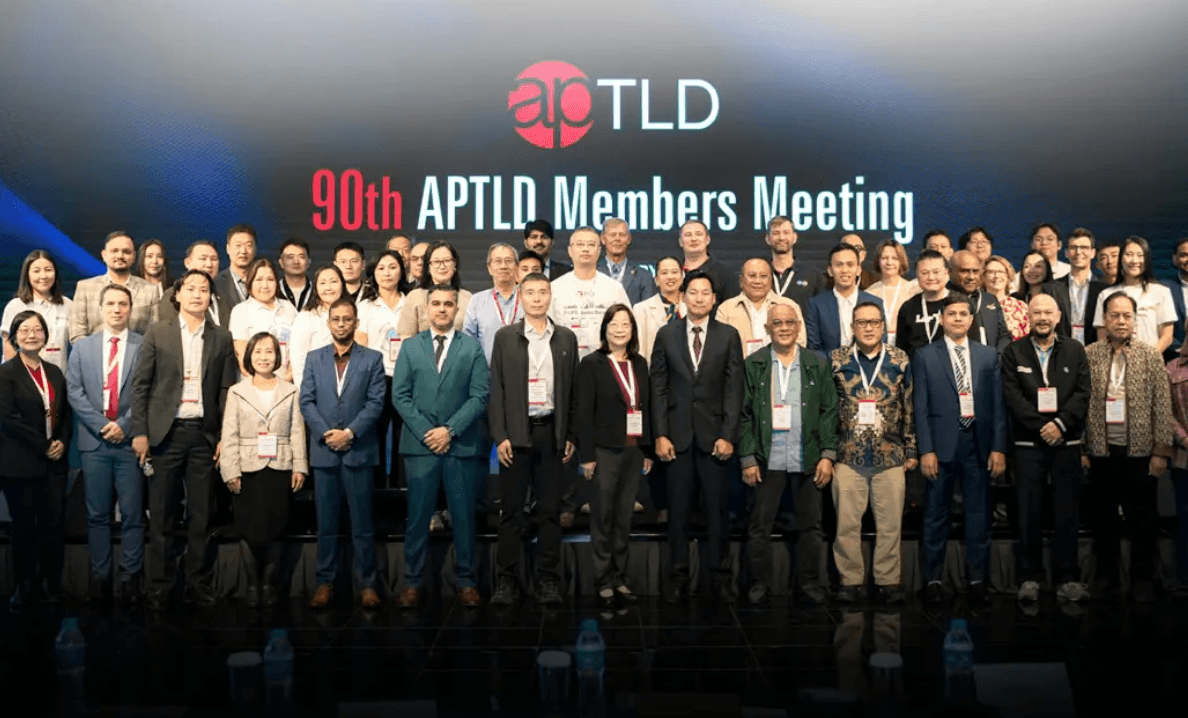
In September 2026, APTLD held its 90th meeting, APTLD90, in Ulaanbaatar, Mongolia. The forum brought together discussions on domain development, DNS, AI, security, and the resilience of the Internet ecosystem across the Asia-Pacific region.
Indonesia participated through PANDI (Pengelola Nama Domain Internet Indonesia), bringing perspectives from the .id domain ecosystem to the regional conversation.
The .id Domain in the Asia-Pacific Internet Conversation
A domain is more than just a website address.
Behind every domain name is an ecosystem involving infrastructure, DNS, security, policies, and trust—all of which enable users to access services across the Internet.
That is why developments in the domain industry cannot be separated from the broader evolution of the Internet.
Through APTLD90, domain operators from across the Asia-Pacific region had an opportunity to exchange experiences on how they are responding to technological changes and challenges within their respective domain ecosystems.
For Indonesia, the forum provided an opportunity to bring the experience and perspective of .id into a broader regional discussion.
When Global Trends Meet Local Needs
One of the discussions at APTLD90 was led by Ery Punta Hendraswara, who explored how global trends can be translated into relevant local strategies.
This perspective is increasingly important because technological developments do not always have the same impact in every country.
Global trends can provide valuable insight into where technology is heading. However, their implementation still needs to consider local user needs, market characteristics, ecosystem readiness, and specific conditions.
For the .id domain ecosystem, understanding global developments can help ensure that Indonesia's domain industry continues to evolve alongside the changing needs of Internet users.
AI and the Future of Domains
Artificial intelligence has become one of the most widely discussed technologies shaping the future of the Internet.
At APTLD90, Prof. Hammam Riza discussed the impact of AI on domains, trust, and security.
AI presents new opportunities for how technology can be developed and used. At the same time, it introduces new questions for the Internet ecosystem.
How will AI affect user trust?
How can security be maintained as technology becomes increasingly complex?
And how can Internet infrastructure operators adapt to these changes?
These questions show that the conversation around AI is not only about how the technology can be used, but also about how the digital ecosystem can remain secure and trusted.
For the domain industry, this is particularly relevant because domains and DNS are fundamental components of the infrastructure that allows users to discover and access services on the Internet.
Strengthening Security Through DNS Abuse Mitigation
Alongside AI, DNS security was another important topic discussed at the forum.
During APTLD90, M. Shidiq Purnama shared practical approaches to the prevention and mitigation of DNS abuse.
DNS abuse remains an important challenge for domain operators, as compromised or misused domains can potentially be associated with activities that harm users and organizations.
Addressing these challenges requires more than technology alone.
It involves processes, policies, monitoring, coordination, and knowledge sharing among domain operators.
Regional forums such as APTLD provide an important space for exchanging experiences and discussing approaches to addressing these challenges.
Building Trust Behind Every Domain
When someone enters a website address, there is a simple expectation: the website should be accessible, secure, and trustworthy.
Behind that seemingly simple experience is a complex Internet ecosystem.
Trust is becoming increasingly important as more activities move online. Users need not only access to information and services, but also confidence that the digital platforms they interact with can be trusted.
In this context, a domain can also be part of a digital identity.
For individuals, businesses, organizations, and institutions, choosing and using the right domain can contribute to how they establish their identity and presence online.
Building a secure and trusted domain ecosystem, therefore, is also part of building trust among Internet users.
Collaboration Beyond the Conference Room
International meetings are not only about presentations and formal discussions.
Alongside the APTLD90 agenda, PANDI also held a lunch meeting with several APTLD delegations.
The informal gathering provided an opportunity to exchange ideas, strengthen relationships, and explore potential areas for future collaboration.
In the Internet ecosystem, collaboration is particularly important because many of the challenges faced today extend beyond national borders.
DNS abuse, cybersecurity, technological developments, and changing user behavior do not stop at geographical boundaries.
Building connections with domain communities across the Asia-Pacific region is therefore an important part of continuing to learn, share experiences, and strengthen the Internet ecosystem together.
From .id to a More Resilient Internet Ecosystem
Indonesia's participation in forums such as APTLD90 demonstrates that the development of .id is also part of a broader conversation about the future of the Internet in the Asia-Pacific region.
Technology will continue to evolve.
AI will continue to advance.
Security threats will continue to change.
Internet user behavior will continue to shift.
The domain ecosystem needs to evolve alongside these changes.
For .id, participating in regional forums creates opportunities to exchange knowledge, understand global developments, and bring Indonesia's perspective into international discussions.
Ultimately, building a resilient, secure, and trusted Internet requires collaboration across the ecosystem.
Not only among domain operators, but also among technical communities, governments, industries, organizations, and Internet users.
From Indonesia to the Asia-Pacific
APTLD90 provided a space to explore how global developments can be understood through both regional and local perspectives.
For the .id ecosystem, participation in forums like this is about more than being present on an international stage.
It is about learning from the region, sharing experiences from Indonesia, and building connections that can help strengthen the Internet ecosystem for the future.
Because a resilient Internet cannot be built by one country or one organization alone.
It is built through collaboration, trust, and a shared commitment to a better digital future.