Why Does Personal Data Get Leaked Online? Causes, Risks, and Prevention Tips
Have you ever received a suspicious message from an unknown number? Or an email containing your full name even though you never shared your information with the sender?
Situations like these may leave you wondering how strangers obtained your personal information.
One possible explanation is a personal data breach. In today's digital world, information such as names, email addresses, phone numbers, and account details is stored across numerous online platforms.
As more services collect and process personal information, protecting that data becomes increasingly important.
So, why does personal data get leaked online, and what can you do to protect yourself?
What Is a Personal Data Breach?
A personal data breach occurs when personal information is exposed, disclosed, or accessed without proper authorization.
The affected information may include full names, email addresses, phone numbers, home addresses, dates of birth, login credentials, or financial information.
Data breaches can result from cyberattacks, security misconfigurations, human error, or the misuse of internal access.
Not every breach involves sophisticated hacking. Sometimes, information becomes publicly accessible because of incorrect system settings or poor data management practices.
Why Does Personal Data Get Leaked Online?
Several factors can contribute to personal data exposure.
1. Cyberattacks on Websites and Applications
Cyberattacks are a common cause of data breaches.
Attackers may exploit vulnerabilities in websites, applications, servers, or databases to gain unauthorized access.
If successful, they may steal or disclose information stored within those systems.
Website operators should regularly update their software, test security controls, and restrict access to sensitive data.
2. Weak or Reused Passwords
Weak passwords increase the risk of unauthorized account access.
Using the same password across multiple platforms creates additional vulnerabilities.
If credentials are exposed in a breach involving one service, attackers may try those credentials on other websites.
This technique is known as credential stuffing.
Using strong, unique passwords for every account helps reduce this risk.
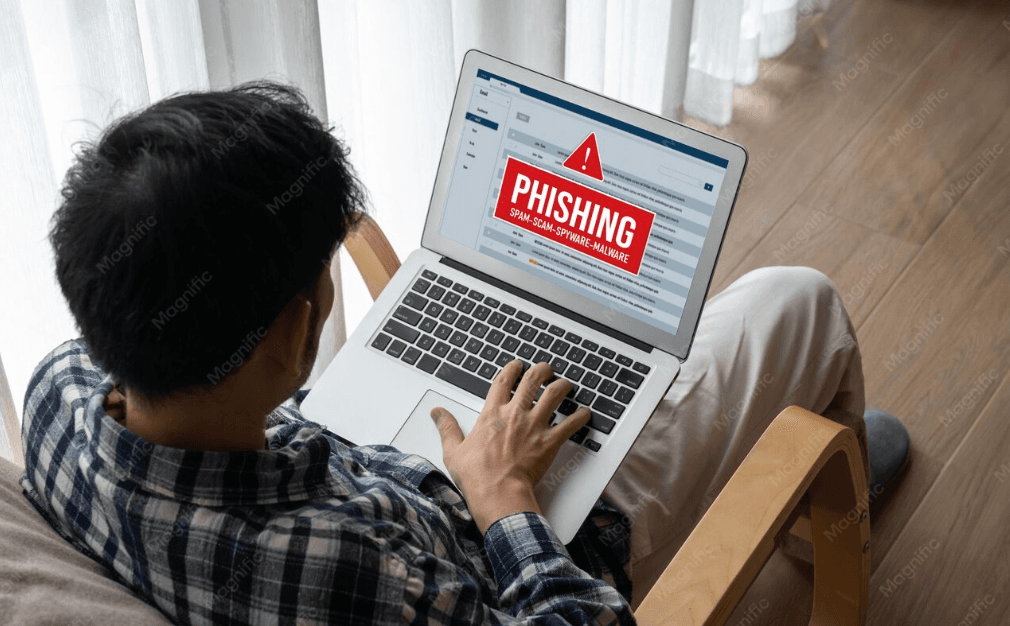
3. Phishing and Online Scams
Phishing is a form of deception in which attackers impersonate trusted organizations to obtain sensitive information.
For example, a message may claim to come from a bank, online marketplace, or digital service and ask the recipient to verify their account.
The message may contain a link to a fraudulent website designed to resemble a legitimate login page.
If users enter their credentials, attackers may capture the information.
Always verify website addresses and the authenticity of messages before sharing sensitive information.
4. Security Misconfigurations
Data breaches do not always require complicated attacks.
Sometimes, databases, cloud storage systems, or administrative interfaces are accidentally exposed because of incorrect security settings.
For example, information intended only for authorized employees might become accessible to the public.
These mistakes can expose sensitive data without attackers needing to bypass complex security defenses.
5. Oversharing Personal Information
Social media makes it easy to share everyday activities and experiences.
However, sharing too much personal information can create privacy and security risks.
Posting identity documents, home addresses, or other sensitive details may provide criminals with information they can use for scams, impersonation, or social engineering.
Users should carefully consider which information they make publicly available.
6. Insecure Applications and Online Services
Not all applications provide the same level of data protection.
Applications with weak security practices, poor data management, or excessive permissions may increase the risk of personal information being misused.
Before installing an application, review its reputation, privacy policy, and requested permissions.
Only grant access that is necessary for the application's intended functions.
What Are the Consequences of a Personal Data Breach?
The consequences of a data breach depend on the type of information exposed.
Leaked personal information can make phishing attempts more convincing because scammers may already know certain details about their targets.
Exposed login credentials can also increase the risk of account takeovers, particularly when passwords are reused across multiple platforms.
More sensitive information may contribute to identity theft, financial fraud, and serious privacy violations.
For businesses, a breach can damage customer trust and organizational reputation.
How Can You Check Whether Your Data Has Been Exposed?
Start by reviewing security notifications from the online services you use.
Some providers notify affected users when security incidents may have compromised their information.
You can also use reputable breach-checking services, such as Have I Been Pwned, to see whether your email address appears in known breach datasets.
However, not every breach is included in publicly accessible databases.
A negative search result does not guarantee that your personal information has never been exposed.
What Should You Do If Your Personal Data Is Leaked?
If you discover that your information has been compromised, take protective action promptly.
First, change passwords for affected accounts and any other accounts using the same credentials.
Second, enable multi-factor authentication (MFA) to provide an additional layer of security.
Third, review account activity, connected devices, and any unfamiliar changes to account settings.
Fourth, remain cautious about suspicious messages, calls, or emails requesting sensitive information.
If financial information is involved, contact your bank or relevant financial service provider for assistance.
The appropriate response depends on the type of data exposed and the risks associated with the incident.
How to Protect Your Personal Data Online
Protecting personal information requires consistent digital security habits.
Some practical measures include:
Use strong, unique passwords for each account.
Enable multi-factor authentication, especially for email and financial accounts.
Avoid suspicious links and unexpected attachments.
Keep operating systems, browsers, and applications updated.
Limit personal information shared on social media.
Review application permissions and privacy settings.
Use reputable websites and digital services.
Back up important information regularly.
These measures cannot eliminate every risk, but they can significantly improve your overall digital security.
Why Are Website and Domain Security Important?
Protecting personal information is not only the responsibility of individual users. Website owners and digital service providers also have important obligations.
Website administrators should maintain updated security systems, limit administrative access, and manage user information responsibly.
HTTPS helps protect data transmitted between a browser and a website.
Secure domain management, including registrar account protection and appropriate DNS configurations, can also reduce the risk of domain hijacking and malicious redirection.
However, HTTPS and a particular domain extension do not automatically guarantee that a website is trustworthy.
Effective digital security requires a combination of technical safeguards, responsible management, and user awareness.
Personal Data Protection in Indonesia
Indonesia has established a legal framework for personal data protection through Law No. 27 of 2022 on Personal Data Protection.
The law regulates personal data processing, individual rights, and the responsibilities of organizations that manage personal information.
It also establishes obligations concerning data security and notifications following certain personal data protection failures.
This framework highlights the importance of protecting personal information as part of building a safer digital ecosystem.