When Technology Meets Culture: Bringing Nusantara Scripts to Life in the Digital Space

Amid the rapid development of technology, there is one important question we need to answer together: how can we ensure that culture remains alive as times continue to change?
The answer may not be to keep culture away from technology, but rather to bring it closer to the digital spaces that younger generations use every day.
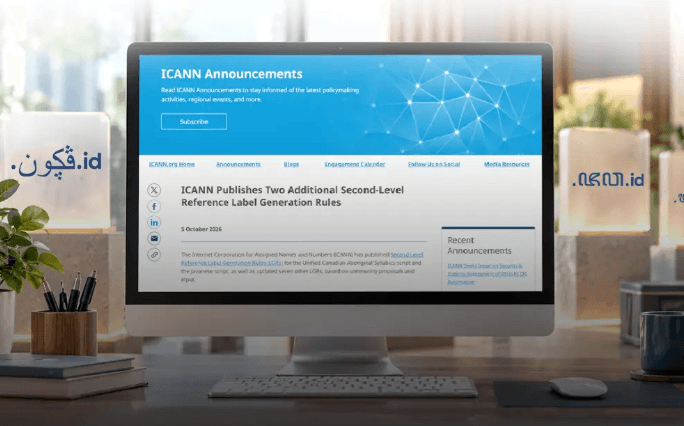
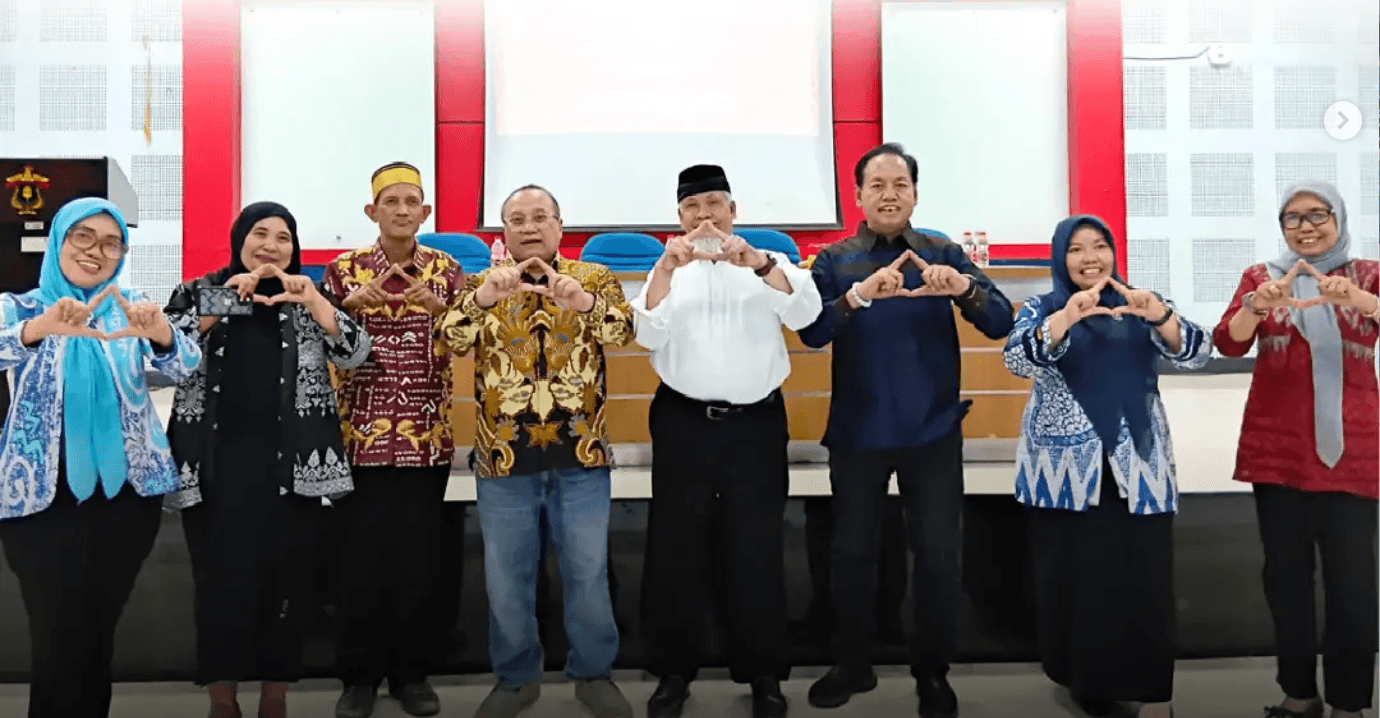
PANDI’s 20th anniversary marks an important step in this direction. PANDI, together with the Language Development and Cultivation Agency, has strengthened a collaboration that brings together three important elements: technology, language, and culture.
This collaboration was further continued through the Grand Launching of the Children’s Folktale Writing Competition Using Nusantara Scripts in the Digital Space.
An initiative that brings cultural heritage into a medium that is closer to the everyday lives of today’s generation.
Why Do Nusantara Scripts Need to Be Present in the Digital Space?
Indonesia is home to an extraordinary diversity of languages and scripts. Various regions have their own traditional scripts, which form an important part of their history and cultural identity.
However, technological development and changing communication habits have created new challenges for the use of Nusantara scripts.
Today, younger generations communicate more frequently through smartphones, social media, websites, and various digital platforms. If Nusantara scripts are introduced only through conventional spaces, there is a possibility that future generations will become increasingly disconnected from them.
Digitalization can therefore be one way to make Nusantara scripts relevant again in everyday life.
This does not mean replacing the Latin alphabet that is widely used today. Instead, it means creating more space for Nusantara scripts to be recognized, learned, and used.
Children’s Folktales as a Bridge to Culture
The Children’s Folktale Writing Competition using Nusantara Scripts is particularly meaningful because it combines literacy, creativity, and cultural preservation in one activity.
Folktales are one of the most accessible ways to introduce cultural values to children. Through stories, children do not simply read or listen to a narrative. They can also discover characters, traditions, moral values, and cultural identities from their surroundings.
When these stories are written using Nusantara scripts and brought into the digital space, the experience of learning about culture becomes more relevant to the lives of today’s generation.
From this perspective, a script is no longer something that is only studied as part of history. It becomes something that can be used to create and express ideas.
From Cultural Heritage to Digital Identity
Cultural preservation is often associated with museums, history books, traditional performances, and cultural activities. All of these remain important.
However, in the digital era, cultural preservation can also take place through websites, social media, applications, digital content, and various other forms of technology.
This is what gives the collaboration between PANDI and the Language Development and Cultivation Agency a broader meaning. Technology can serve as a bridge that allows cultural heritage to move beyond being a legacy of the past and continue to be used within the context of modern life.
When a script can be used to write stories, create content, develop digital works, or become part of someone’s identity on the internet, it gains an opportunity to remain alive and evolve.
Young People as Part of the Change
Cultural preservation cannot be the responsibility of a single institution or group. Young people play an important role in determining whether a cultural heritage will continue to be known in the future.
That is why the approach to cultural preservation also needs to be connected to their world.
Rather than simply telling young people that Nusantara scripts must be preserved, they need to be given opportunities to use them creatively. The folktale writing competition is one example of how culture can be introduced through an activity that is both enjoyable and relevant to technological development.
Young people are not merely observers of cultural preservation. They can become creators and users of culture in the digital space.
Technology and Culture Do Not Have to Be Separate
Technology is often seen as a symbol of modernity, while culture is perceived as something rooted in the past. In reality, the two can move forward together.
Technology provides new spaces and tools for introducing culture, while culture gives identity and character to an increasingly digital world.
When the two come together, they can create something meaningful: culture that remains rooted in its heritage while adapting to the changing times.
This is the spirit reflected in the collaboration between PANDI and the Language Development and Cultivation Agency. It is not simply about bringing culture to the internet, but about creating opportunities for cultural heritage to become part of Indonesia’s digital journey.
Keeping Nusantara Scripts Alive
Ultimately, preserving Nusantara scripts is not simply about protecting forms of writing from the past. More importantly, it means ensuring that these scripts continue to have a place to be recognized, learned, used, and passed on to future generations.
The digital space offers a significant opportunity to make this possible.
Through collaboration, creativity, and the use of technology, Nusantara scripts can take forms that are closer to people’s lives today. Culture does not have to be left behind as the world changes. It can grow and evolve alongside it.
And as technology becomes an increasingly important part of everyday life, bringing Nusantara scripts into the digital space is one way to ensure that this heritage is not only remembered, but also continuously used and brought back to life.
From cultural heritage of the past to digital identity for the future.