The Internet Has Changed Our Lives More Than You Think
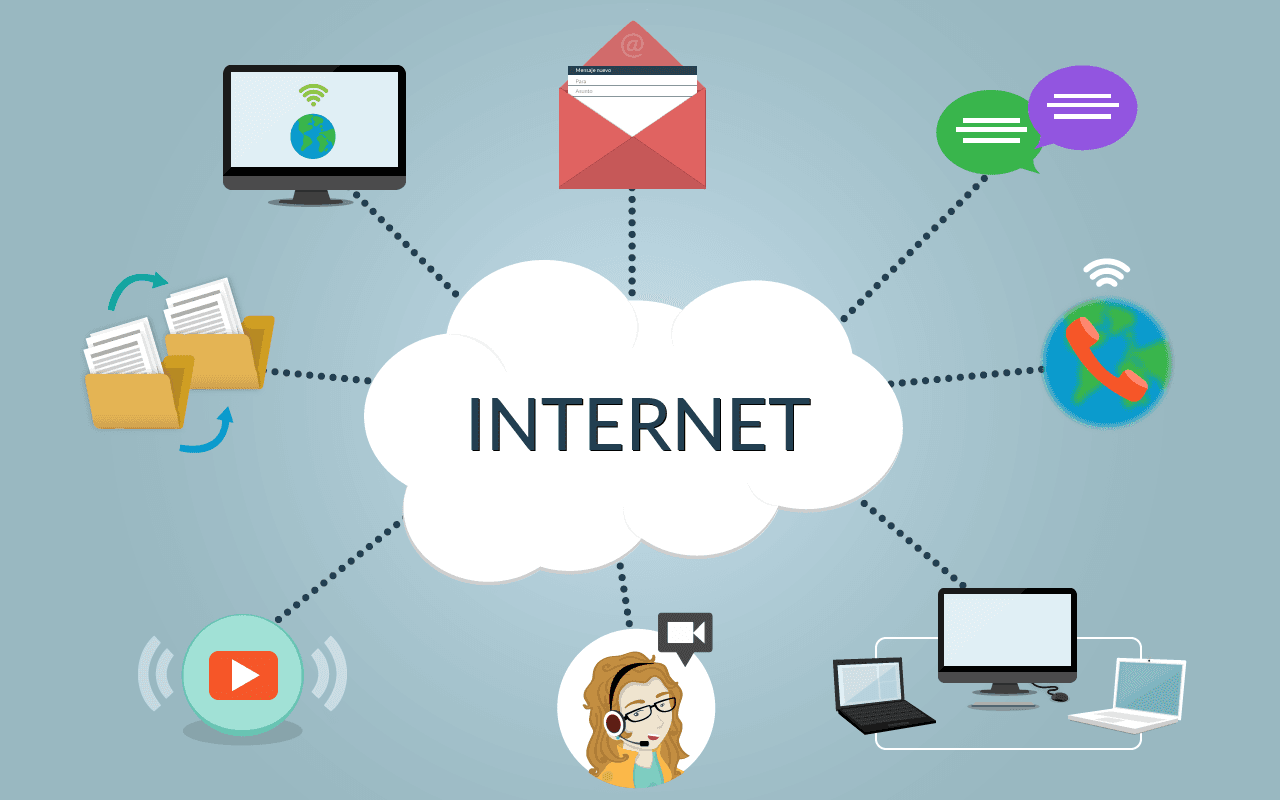
Have you ever imagined spending just one day without the internet?
No WhatsApp. No Google Maps. No scrolling through TikTok. No online food delivery. You might not even be able to do your job.
For many people, the idea feels almost impossible.
Yet only a few decades ago, the internet was a luxury that very few people had access to. Today, it has become such an essential part of our lives that we often don't realize how deeply it influences our daily decisions.
From the way we learn and work to how we shop, communicate, and entertain ourselves, the internet has transformed nearly every aspect of modern life.
So, how much has the internet really changed our world?
The World That Once Felt Huge Is Now in Your Pocket
Before the rise of the internet, finding information required effort.
If you wanted to study a topic, you visited a library. If you wanted the latest news, you waited for newspapers or television broadcasts. If you wanted to communicate with someone far away, you relied on letters or expensive phone calls.
Today?
Everything is available within seconds through a smartphone.
The internet has eliminated geographical barriers. Someone in Jakarta can instantly communicate with someone in New York, London, or Tokyo without ever leaving home.
What once felt like a vast world now fits in the palm of your hand.
Learning Has Been Completely Reinvented
The internet has revolutionized education.
In the past, learning opportunities were often limited by location, cost, and access to resources. Today, anyone with an internet connection can learn almost anything.
Want to study graphic design?
Thousands of free tutorials are available.
Interested in coding?
There are countless online courses and learning platforms.
Trying to learn a new language?
Apps, videos, and interactive tools make it easier than ever.
Many people have even built entirely new careers from skills they learned online.
The internet has made knowledge more accessible and democratic than ever before.
Work Will Never Be the Same Again
One of the biggest transformations brought by the internet is the modern workplace.
Many jobs that once required employees to be physically present in an office can now be done from virtually anywhere.
Remote work, freelancing, and the digital nomad lifestyle have become possible thanks to reliable internet access.
Today, professionals can work for companies located on the other side of the world without relocating.
Teams collaborate in real time despite being separated by thousands of miles and multiple time zones.
The internet has also created entirely new professions, including:
Content Creator
Social Media Specialist
SEO Specialist
Influencer
Affiliate Marketer
Streamer
Data Analyst
AI Prompt Engineer
Many of these careers didn't even exist twenty years ago.
Shopping Has Moved Online
Remember when buying something meant going to a physical store?
Now, almost everything can be purchased with a few taps on a screen.
Clothes, electronics, groceries, food, and even services can be ordered without leaving home.
The internet has created a digital economy worth trillions of dollars and continues to fuel new business opportunities every day.
For small businesses, the impact has been especially significant. A local entrepreneur can now reach customers across an entire country—or even around the world—through online platforms.
The gap between large corporations and small businesses has become smaller than ever.
Social Media Has Changed Human Interaction
Before the internet age, most social interactions happened face-to-face.
Today, much of our communication takes place online.
We share our lives through Instagram.
We discuss ideas on X and Threads.
We stay connected through WhatsApp.
We consume entertainment on YouTube and TikTok.
Social media has fundamentally changed how people build relationships, form communities, and spread information.
A single post can reach millions of people within hours—something that would have been nearly impossible in previous generations.
The Internet Turned Everyone Into a Potential Creator
In the past, becoming widely known required access to television networks, radio stations, or major publishing companies.
Today, anyone with creativity and determination can build an audience online.
Students can create educational videos.
Artists can showcase their work globally.
Small business owners can promote products directly to potential customers.
The internet has given everyone a stage.
Success is no longer determined solely by access to traditional media but by creativity, consistency, and the ability to connect with an audience.
But There Is a Price to Pay
Despite its countless benefits, the internet also presents significant challenges.
One of the biggest is information overload.
Every day, we are exposed to an overwhelming amount of content. Not all of it is accurate, useful, or trustworthy.
Misinformation, fake news, online scams, and cyberbullying have become serious concerns.
At the same time, many people experience digital fatigue due to constant connectivity.
Endless notifications, social media pressure, and excessive screen time can negatively affect mental health and well-being.
This is why digital literacy and responsible internet usage have become essential skills in today's world.
The Future Will Be Even More Connected
If you think the internet has already changed our lives dramatically, the next wave of innovation may have an even greater impact.
Technologies such as Artificial Intelligence (AI), the Internet of Things (IoT), Virtual Reality (VR), and cloud computing are evolving at an incredible pace.
In the future, the internet will connect not only people but also homes, vehicles, cities, and countless smart devices.
Imagine:
Homes that automatically adapt to your habits.
Cars that can drive themselves.
AI assistants that help manage your daily tasks.
Smart cities that optimize traffic, energy usage, and public services.
What once sounded like science fiction is rapidly becoming reality.