Data Center: The Big Home That Keeps the Digital World Running
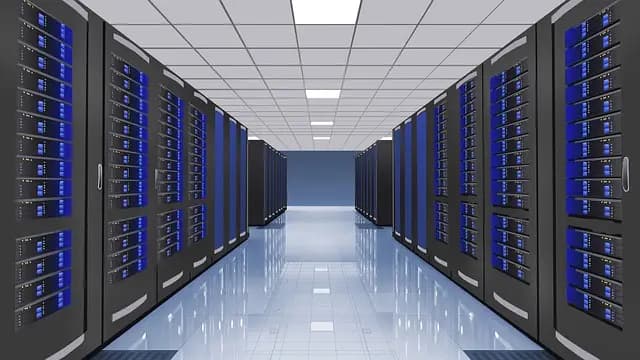
What Is a Data Center?
Simply put, a data center is a specialized facility used to store, manage, and operate computer systems and large amounts of data.
Inside a data center, there are many important components such as:
Servers
Data storage systems
Network devices
Security systems
Cooling systems
Backup power systems
All of these components work together to ensure digital services remain available, fast, and secure.
Whenever you visit a website, send an email, stream content, or store files on the cloud, your data is most likely being processed through a data center.
Why Is a Data Center Called the “Big Home of the Digital World”?
Imagine a house.
A house needs:
Space to store belongings
Electricity to power devices
Security to protect what is inside
A system to keep everything working properly
A data center works with a similar concept, but on a much larger scale.
Servers are the main “residents” inside a data center. They store and process the information needed by users worldwide.
The difference is, people occupy a normal house, while a data center is occupied by millions or even billions of digital data files.
What Exists Inside a Data Center?
1. Servers: The Engine Behind the Digital World
Servers are the most important part of a data center.
They are responsible for:
Hosting websites
Processing user requests
Running applications
Managing databases
When you access a website, your device is actually communicating with a server located inside a data center.
The stronger the server, the better the performance of the digital service.
2. Data Storage Systems
Data continues to grow every single day.
From:
Photos
Videos
Documents
User information
Transaction records
Everything requires a large and secure storage space.
Data centers provide high-capacity storage systems so data can be accessed whenever needed.
3. High-Speed Internet Networks
Data centers require extremely fast and reliable network connections to serve many users at the same time.
Without stable networks, websites can become slow, applications can experience interruptions, and digital services cannot perform optimally.
That is why data centers are equipped with advanced network infrastructure designed to handle massive amounts of traffic.
How Do Data Centers Keep Websites Online?
One of the main functions of a data center is ensuring websites and applications remain available.
Several technologies are used:
Backup Power Systems
Power outages can happen anytime.
That is why data centers use systems such as:
UPS (Uninterruptible Power Supply)
Backup generators
These systems ensure servers continue operating even during electricity problems.
Cooling Systems
Servers generate heat while operating.
If temperatures become too high, hardware can be damaged.
Because of this, data centers use specialized cooling systems to maintain stable temperatures.
Multi-Layer Security
Data is one of the most valuable assets today.
Data centers use various security systems such as:
Access control
Surveillance cameras
Firewalls
24/7 monitoring systems
The goal is to protect data from both physical and digital threats.
Data Centers and the Growth of Digital Businesses
In the digital era, almost every business depends on data centers.
Including:
E-commerce platforms
Digital banking services
Social media platforms
Technology startups
Online education platforms
All of them need strong infrastructure that can handle large numbers of users and massive amounts of data.
Without reliable data centers, digital businesses would struggle to grow because their services would not run efficiently.
The Connection Between Data Centers, Hosting, and Websites
Many people use hosting services without realizing that data centers are working behind them.
When you purchase hosting to create a website, you are actually renting space on a server located inside a data center.
For example:
You create a business website.
Your website needs:
Storage for website files
A database system
Infrastructure to make the website accessible
All of these processes happen through servers located in a data center.
In other words, data centers are the foundation that allows websites to exist on the internet.
Why Do Data Centers Need Strategic Locations?
The location of a data center affects service performance.
Several factors are considered:
1. Internet Connectivity
The closer the data center is to users, the faster data can usually be delivered.
2. Infrastructure Stability
Data centers require:
Reliable electricity
Strong security systems
Supportive environments
3. Risk Protection
Locations are also selected by considering risks such as natural disasters and other potential disruptions.
The Future of Data Centers in the AI Era
The growth of technologies like Artificial Intelligence (AI) is increasing the demand for more powerful data centers.
AI requires:
High computing power
Large storage capacity
Fast data processing
Because of this, modern data centers continue to evolve with advanced technologies such as:
High-performance servers
More efficient cooling systems
Environmentally friendly infrastructure
As digital technology continues to grow, the role of data centers will become even more important.
Data Centers: Invisible Infrastructure That Powers Our Digital Lives
When the internet works smoothly, most people never think about what happens behind the scenes.
However, every click, search, file upload, and digital transaction depends on a massive system working continuously.
Data centers are the foundation that keeps the digital world alive.
Without data centers, many services we use every day would not be able to operate quickly, securely, and reliably.